-
Pip and the Lights by the Water

-
Leadership Lessons from the Mishnah: Part I

The Mishnah isn’t just ancient law — it’s a leadership manual hiding in plain sight. In the very first chapter of Tractate Berakhot, the rabbis wrestle with questions that sound strikingly modern: When should you start a project? How do you set deadlines? What happens when instructions conflict? In Part I of this new series,…
-
Immediate Gratification vs. Sacred Struggle
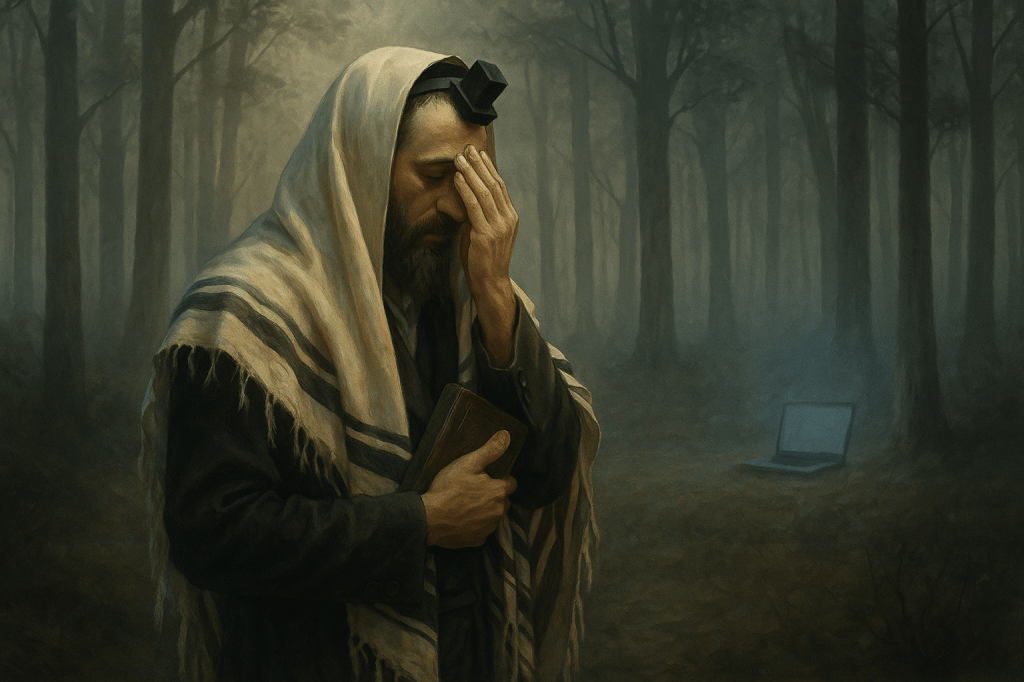
Have We Stopped Talking With The Divine Because AI Answers Us Faster? Part of the ‘On Second Thought’ series By: Ezra Nadav This week my Rabbi’s drash got me thinking more deeply. He reminded us that Judaism is not about easy answers but about the wrestling — with the Divine, with text, with ourselves. In…
-
Born Into Journeys

-
I Am Not What I Know

A part of the ‘On Second Thought‘ series By: Ezra Nadav I’ve spent most of my life gathering knowledge, storing it, curating it, offering it to others in the hope it will matter. In classrooms and consultations, workshops and webinars, I’ve been praised for clarity, for insight, for translating the complex into the digestible. It’s…
-
What I’ve Learned by Attempting to Learn Biblical Hebrew

Why I Now Read Slower, Complain Less, and Love the Torah More From the ‘On Second Thought’ series: By Ezra Nadav Learning Hebrew with dyslexia and an auditory processing disorder has been anything but easy. But it has changed the way I relate to sacred text, to tradition and to myself. When I first set…
-
Memory as a Moral Imperative: Choosing Justice Over Vengeance: Part 3

‘For You Were Strangers in the Land of Egypt’ from the ‘On Second Thought’ series By: Ezra Nadav Introduction to Part 3: Memory as Moral Responsibility In Part 2, we explored the Torah’s radical call to love, befriend, and refuse hatred toward the stranger—even when it’s uncomfortable or counter cultural. These commandments push us beyond…
-
The Stranger as Neighbour: Love, Friendship, and the Refusal to Hate: Part 2

‘For You Were Strangers in the Land of Egypt’ from the ‘On Second Thought’ series By: Ezra Nadav Recap of Part 1: Recognising the Stranger In Part 1, we explored the foundational Torah commandments that urge us to remember our shared experience of being strangers in Egypt. These verses call us to see and honour…
-
Who Is the Stranger? A Modern Reflection: Part 1
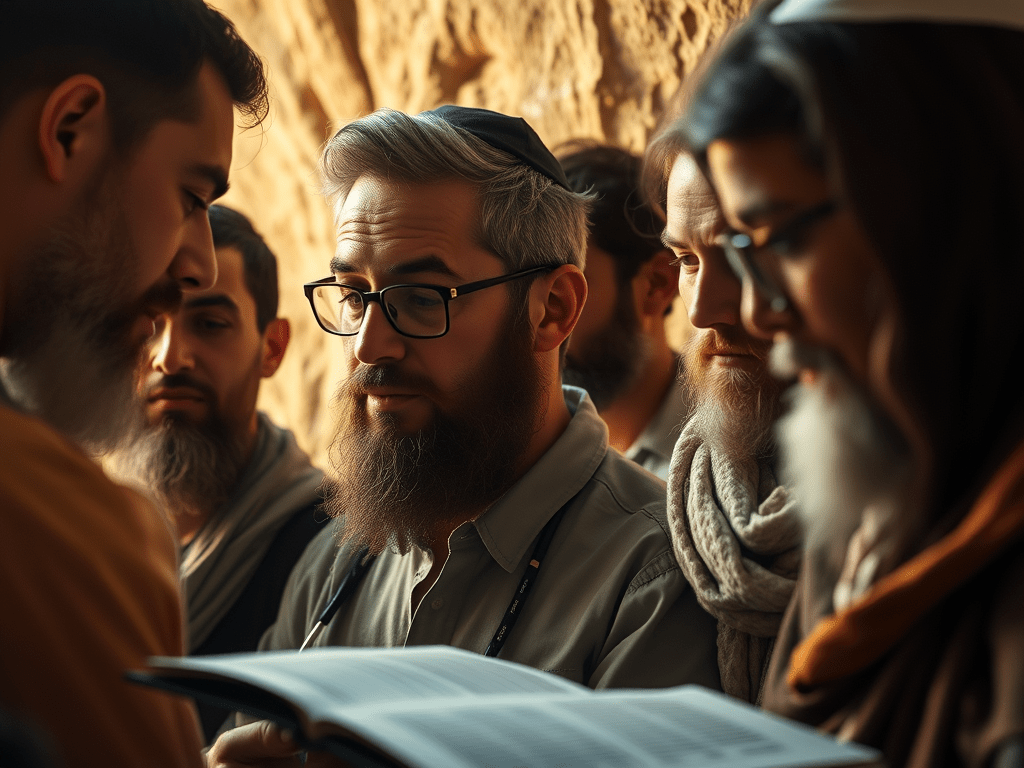
‘For You Were Strangers in the Land of Egypt’ from the ‘On Second Thought’ series By: Ezra Nadav Series Summary: Part 1: Who Is the Stranger? A Modern Reflection In this first part of a three-part series, we explore the Torah’s moral urgency around how we treat “the stranger”—a term that appears in at least…

