Tag: mental-health

  • When Conversation Stops Feeling Like Work

    When Conversation Stops Feeling Like Work

    Some conversations feel exhausting long before we admit they do. Not because anything bad happened — but because we spent the entire interaction translating ourselves into more socially manageable forms.

  • The Work That Doesn’t Show — Epilogue 

    The Work That Doesn’t Show — Epilogue 

    The work that keeps a life going is often the least visible. It cannot be easily measured or recognised, yet without it, very little would endure.

  • Choosing a Life That Holds — Part VII

    Choosing a Life That Holds — Part VII

    A life does not need to stand out to be good. In a culture that equates worth with growth and visibility, choosing sufficiency may be less about settling — and more about refusing to postpone living.

  • Adequacy Without Apology — Part V 

    Adequacy Without Apology — Part V 

    Adequacy carries a quiet kind of shame in cultures organised around comparison. Even stable, meaningful lives can feel insufficient when worth is measured against imagined alternatives. Letting a life be enough requires more than gratitude — it asks us to release the assumption that sufficiency must justify itself.

  • Maintenance Is Not Stagnation — Part IV

    Maintenance Is Not Stagnation — Part IV

    Maintenance is the quiet labour of keeping things from falling apart. In a culture that celebrates novelty and growth, the work of care, repetition, and repair is easily misread as inertia — when it is often the very continuity that allows relationships, bodies, and institutions to endure.

  • The Violence of “More” – Part III

    The Violence of “More” – Part III

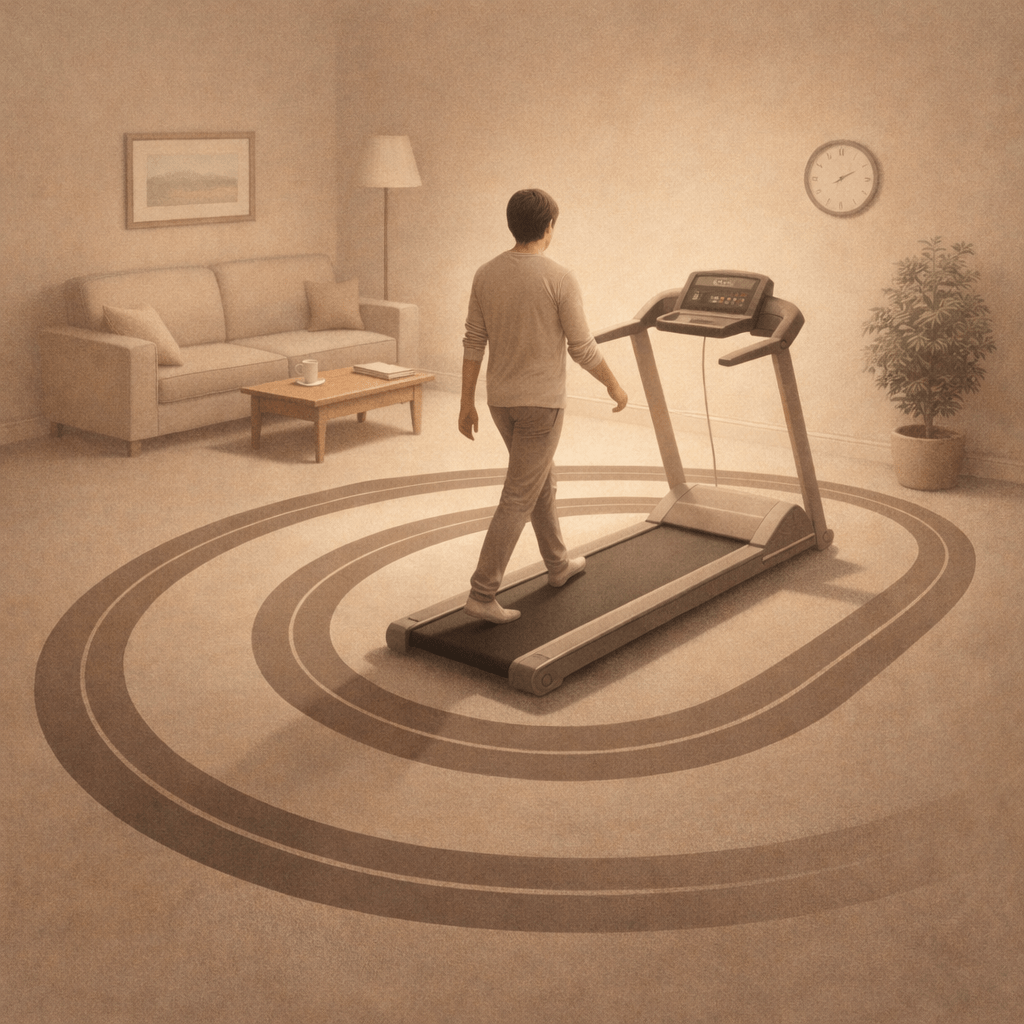
    The pressure for “more” rarely feels like violence — until it becomes impossible to arrive anywhere without wondering what comes next. When growth is the only acceptable state, rest, repetition, and sufficiency begin to look like failure rather than the rhythms that sustain a life.

  • When Optimisation Becomes Identity — Part II

    When Optimisation Becomes Identity — Part II

    When optimisation becomes identity, stability starts to feel like failure. In a culture that equates worth with growth and momentum, ordinary days can look like evidence of stagnation — even when they are the very patterns that sustain a life.

  • Chronic Illness Is That Coworker Who Never Gets Fired
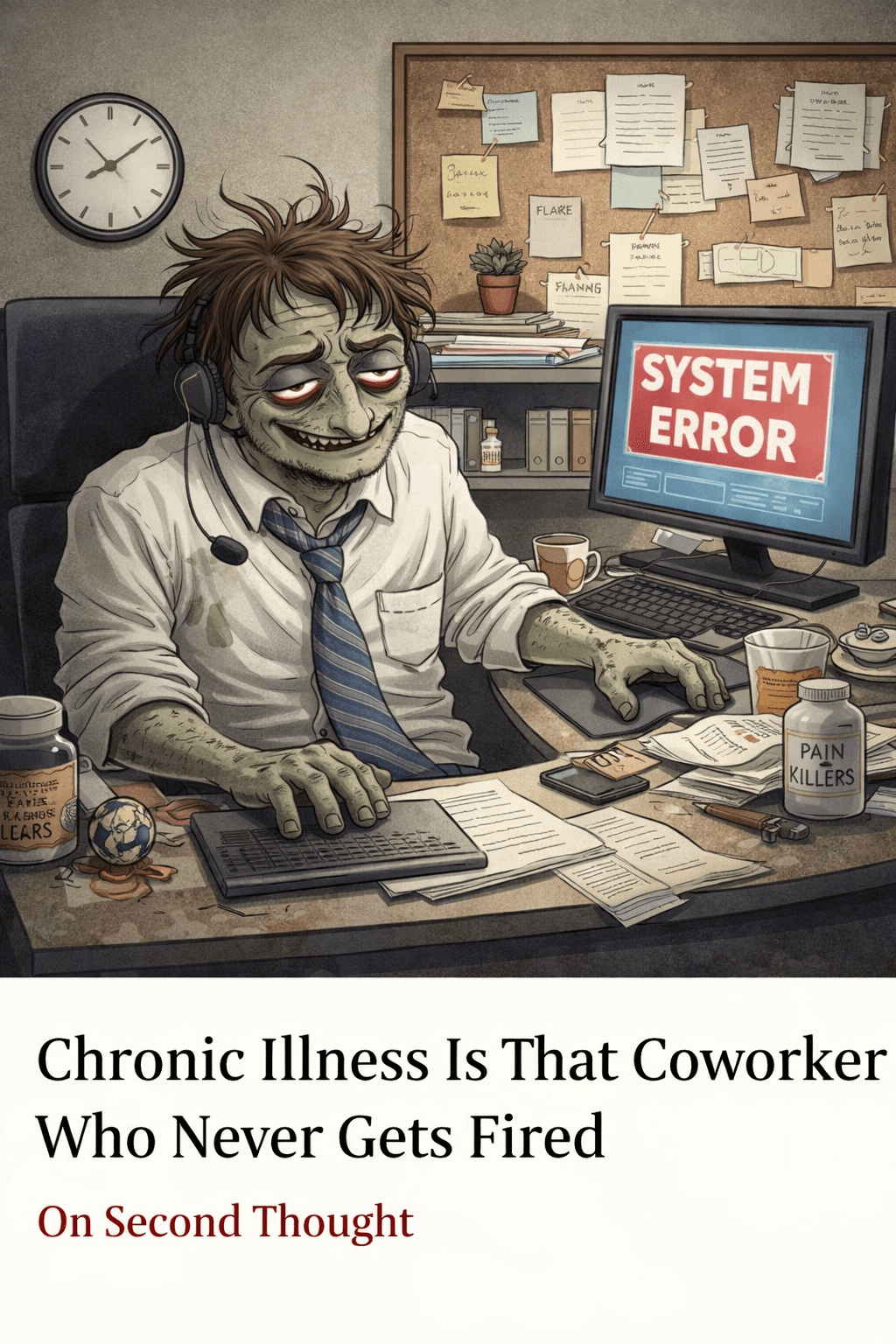
    Chronic Illness Is That Coworker Who Never Gets Fired

    Some days, chronic illness isn’t tragic — it’s just deeply annoying. A dark-humoured look at what it’s like to negotiate daily life with a body that won’t cooperate, won’t explain itself, and somehow never gets performance-managed.

  • Pip and the Lights by the Water

    Pip and the Lights by the Water

    Pip attends a Chanukkah gathering by the water and senses that something has changed. After a frightening event, he watches a community choose to keep lighting candles, learning that feeling scared is okay — and that courage doesn’t mean hiding, it means staying who we are.

  • Leadership Lessons from the Mishnah: Part I

    Leadership Lessons from the Mishnah: Part I

    The Mishnah isn’t just ancient law — it’s a leadership manual hiding in plain sight. In the very first chapter of Tractate Berakhot, the rabbis wrestle with questions that sound strikingly modern: When should you start a project? How do you set deadlines? What happens when instructions conflict? In Part I of this new series,…