Tag: Ordinary Life

  • The Work That Doesn’t Show — Epilogue 

    The Work That Doesn’t Show — Epilogue 

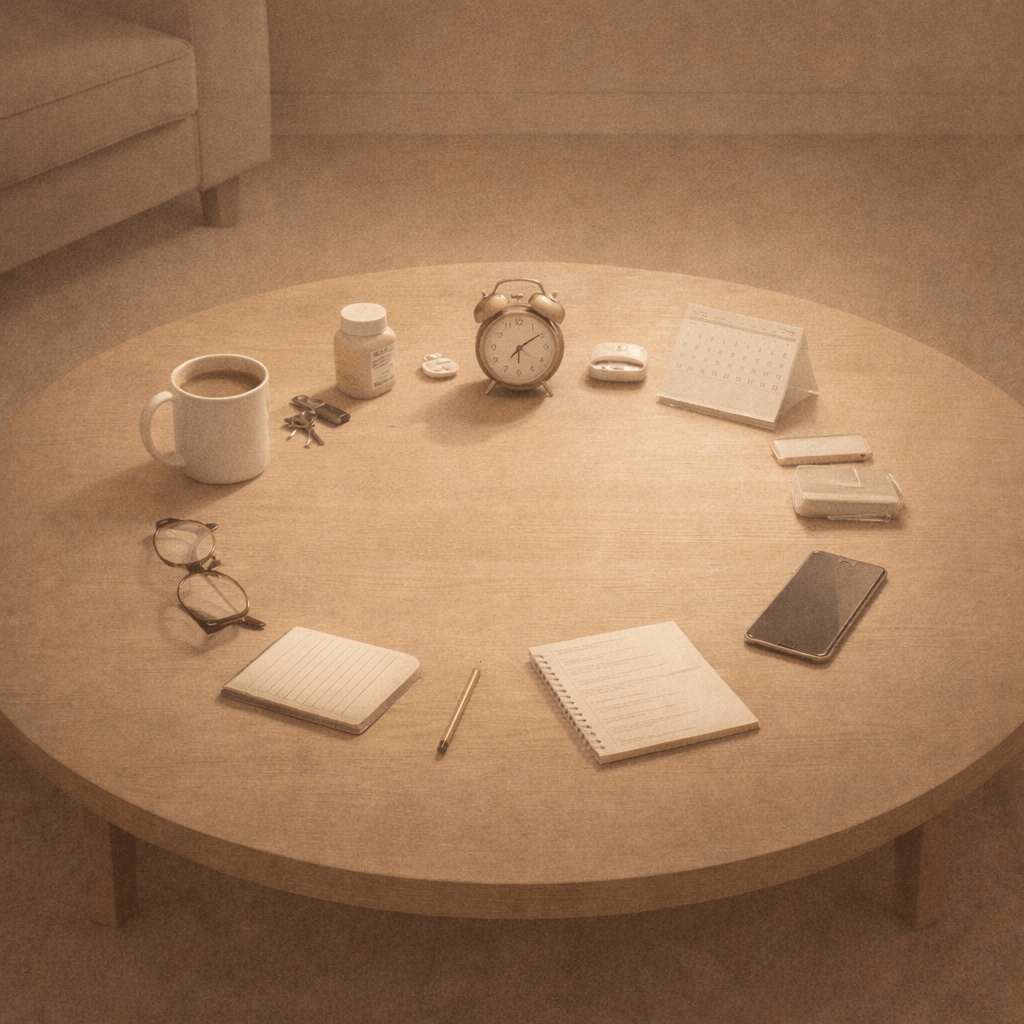
    The work that keeps a life going is often the least visible. It cannot be easily measured or recognised, yet without it, very little would endure.

  • Choosing a Life That Holds — Part VII

    Choosing a Life That Holds — Part VII

    A life does not need to stand out to be good. In a culture that equates worth with growth and visibility, choosing sufficiency may be less about settling — and more about refusing to postpone living.

  • Depth Over Spectacle — Part VI

    Depth Over Spectacle — Part VI

    Meaning rarely arrives in dramatic moments. More often it accumulates slowly — through repetition, trust, and the quiet act of returning to the same people and places over time. Depth is built through continuity, not spectacle.

  • Adequacy Without Apology — Part V 

    Adequacy Without Apology — Part V 

    Adequacy carries a quiet kind of shame in cultures organised around comparison. Even stable, meaningful lives can feel insufficient when worth is measured against imagined alternatives. Letting a life be enough requires more than gratitude — it asks us to release the assumption that sufficiency must justify itself.

  • Maintenance Is Not Stagnation — Part IV
    Maintenance Is Not Stagnation — Part IV

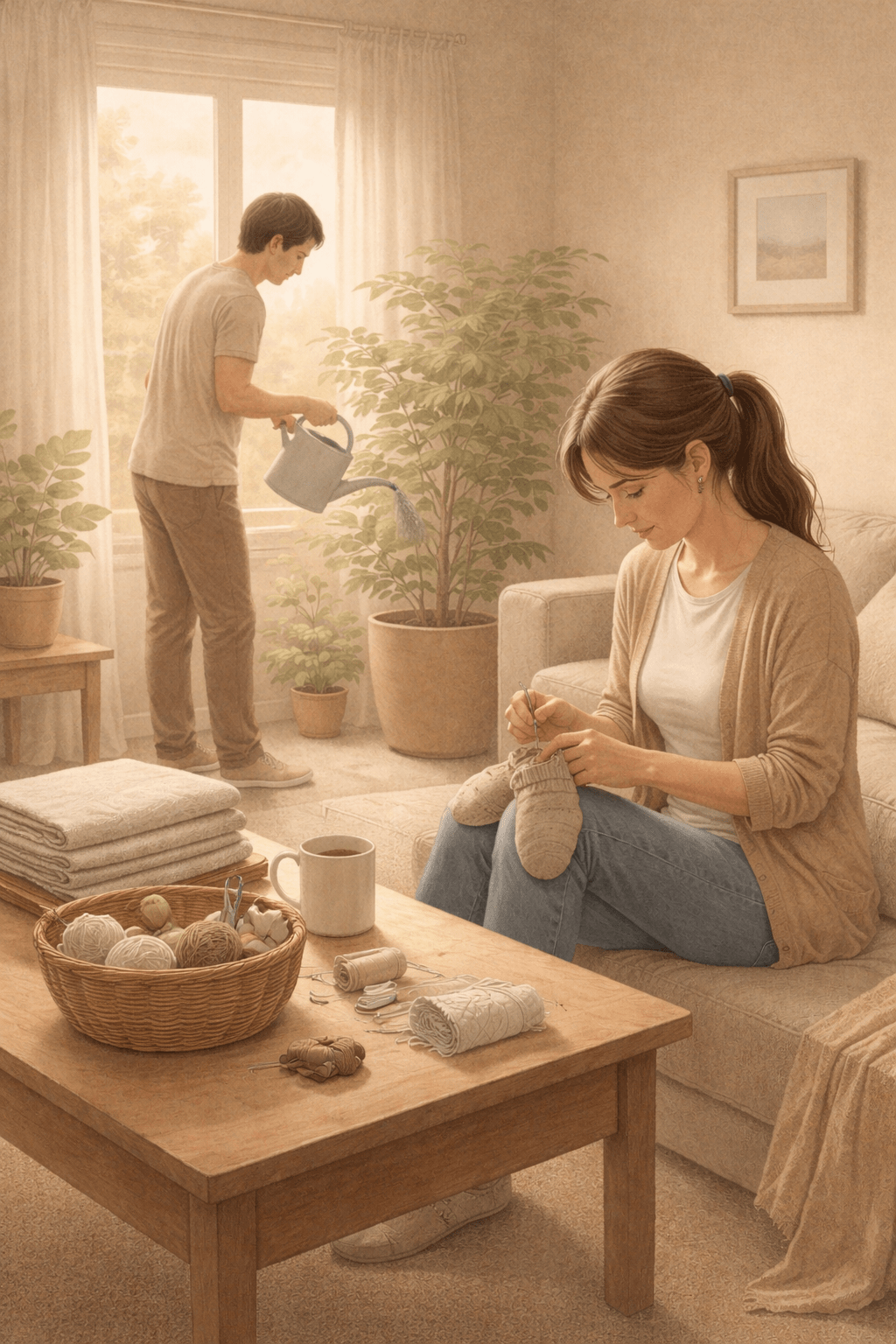
    Maintenance is the quiet labour of keeping things from falling apart. In a culture that celebrates novelty and growth, the work of care, repetition, and repair is easily misread as inertia — when it is often the very continuity that allows relationships, bodies, and institutions to endure.

  • The Violence of “More” – Part III

    The Violence of “More” – Part III

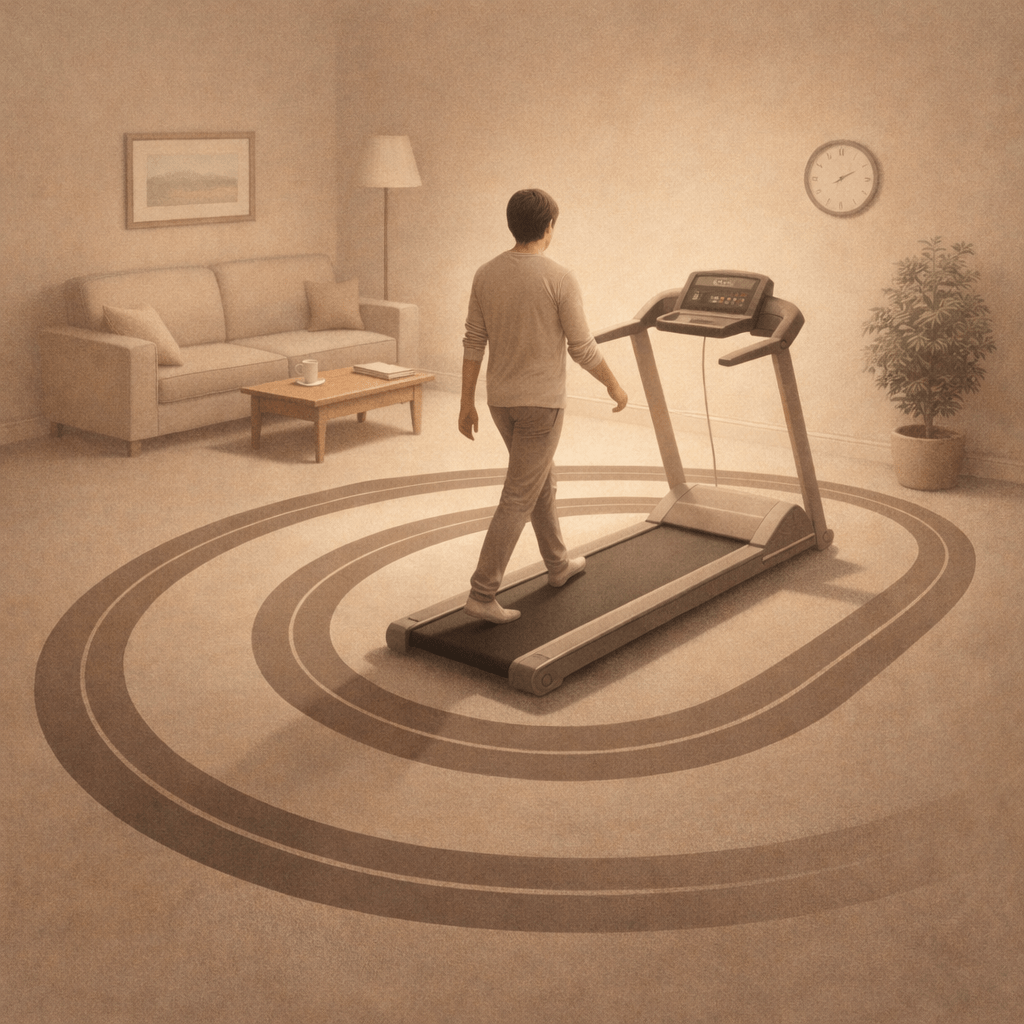
    The pressure for “more” rarely feels like violence — until it becomes impossible to arrive anywhere without wondering what comes next. When growth is the only acceptable state, rest, repetition, and sufficiency begin to look like failure rather than the rhythms that sustain a life.

  • When Optimisation Becomes Identity — Part II

    When Optimisation Becomes Identity — Part II

    When optimisation becomes identity, stability starts to feel like failure. In a culture that equates worth with growth and momentum, ordinary days can look like evidence of stagnation — even when they are the very patterns that sustain a life.

  • Embracing the Mundane: The Ordinary Isn’t Broken — Part I

    Embracing the Mundane: The Ordinary Isn’t Broken — Part I

    Ordinary life hasn’t failed—it’s been misjudged. In a culture that treats constant growth as proof of worth, the mundane is often mistaken for stagnation. This essay begins a slow, deliberate exploration of why “enough” became suspect—and what we lose when we forget the value of ordinary, sustaining lives.